

Volume Loss vs Skin Laxity
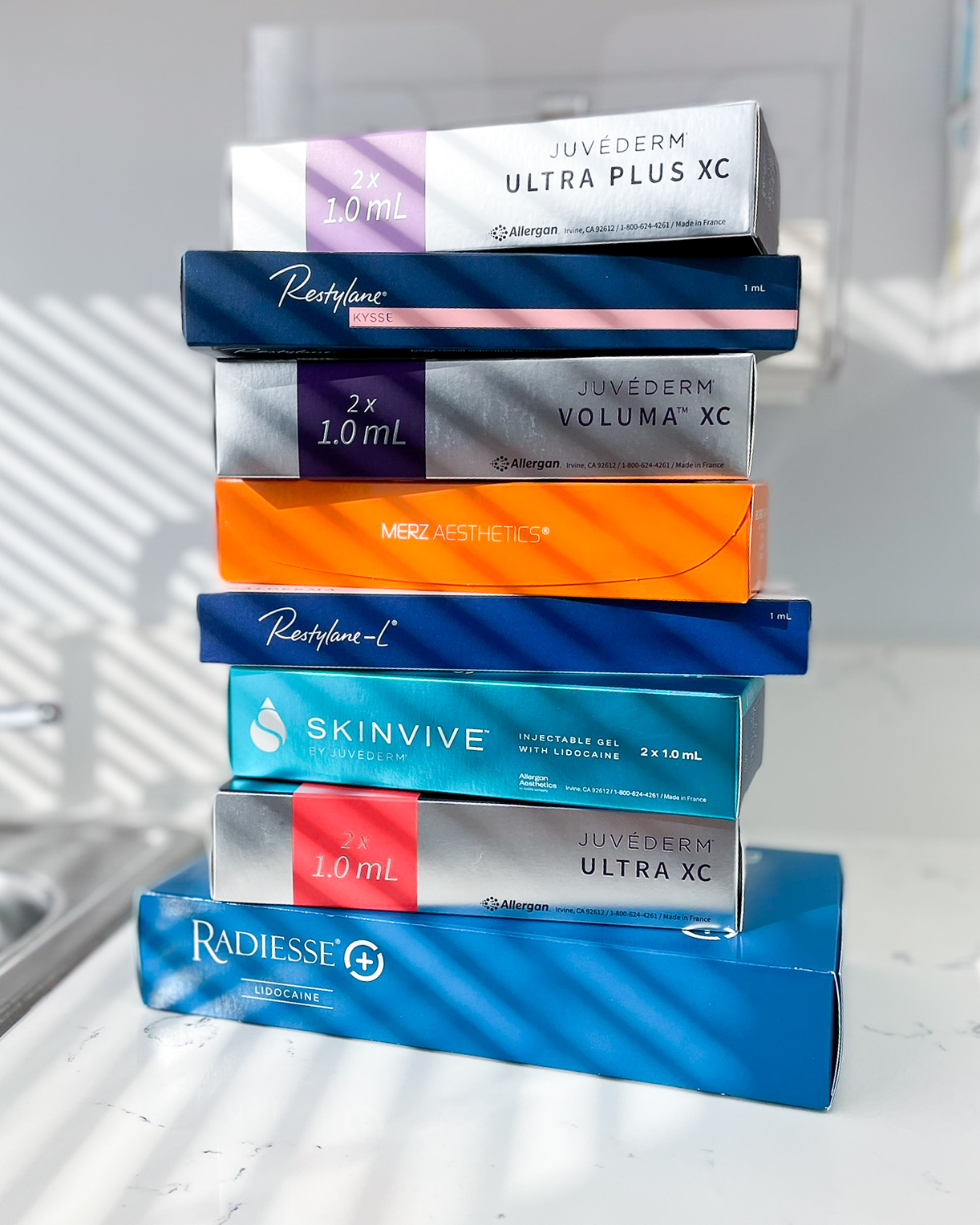
One of the most common questions I hear is: “Do I need filler or skin tightening?”
The answer depends on what is actually going on under the surface and causing the change in your face. Most visible signs of aging, and many of the changes seen after weight loss, come down to two key factors: volume loss and laxity.
While they often happen at the same time, they are not the same thing, and they require very different treatment approaches. Understanding the difference is what allows for results that look natural rather than overdone.
What is Volume Loss?
Volume loss occurs when the fat pads in the face begin to shrink over time.
These fat pads are responsible for maintaining structure, contour, and support. In younger skin, they help create smooth transitions between facial features and give the face a naturally lifted appearance.
As these fat pads decrease with age or weight loss, the face can begin to look hollow, sunken, and less supported overall. Volume loss is often what creates a tired, drawn, or aged appearance, even if you otherwise have good skin quality. Patients who experience rapid weight loss may notice these facial changes sooner as the loss of fat happens faster than the skin can adapt.
What is Skin Laxity?
Skin laxity refers to the loosening of the skin as collagen and elastin decline over time.
Collagen provides structure, while elastin allows the skin to snap back into place. As these fibers break down, the skin gradually loses its firmness and elasticity.
Unlike volume loss, which affects what is underneath the skin, laxity affects how the skin sits over that structure. This can appear as sagging along the jawline, a softening/blurring of facial contours, loose or crepey skin, especially in the lower face and neck. Skin laxity tends to become more noticeable with age, but it can also be accelerated by rapid weight loss when the skin does not contract at the same rate as fat loss.
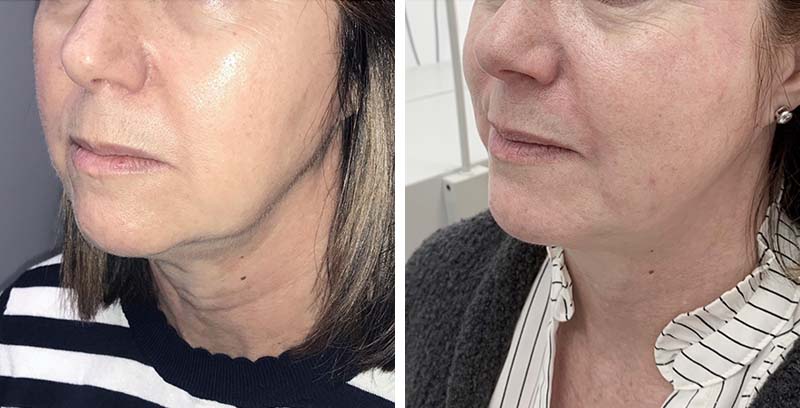
Why Most Patients Experience Both Skin Laxity and Volume Loss
In most cases, patients are not dealing with just one issue.
Volume loss and skin laxity often occur together, especially with:
- Natural aging
- Rapid or significant weight loss
- Gradual collagen decline over time
As volume decreases, the skin loses some of its underlying support. At the same time, declining collagen makes it harder for the skin to maintain its firmness.
This combination is what leads to common concerns like:
- Hollow cheeks paired with mild sagging
- Loss of jawline definition
- A general feeling that the face looks less structured or less lifted
This is also why facial changes after weight loss, often referred to as Ozempic face, can feel more noticeable. You can read more about that here.
Balance, Not Overcorrection
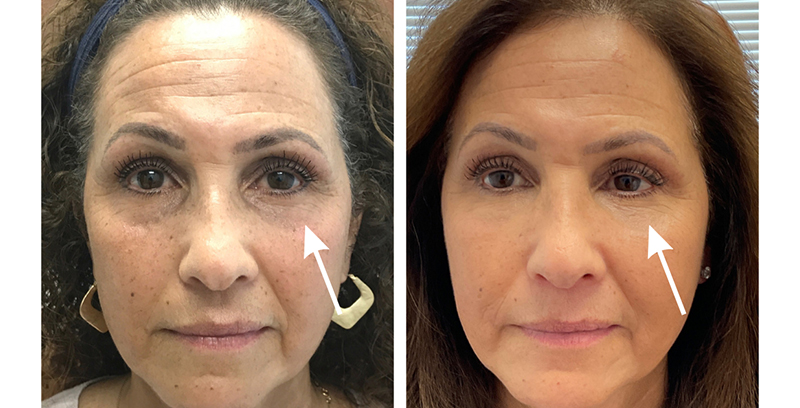
The most natural-looking results come from treating both volume loss and skin laxity in a coordinated way.
A balanced treatment plan may include:
- Filler to restore structure: Strategically placed filler can rebuild support in areas that have hollowed, helping to restore facial contours without adding unnecessary volume.
- Skin tightening to improve laxity: Ultherapy stimulates collagen deeper within the skin, gradually improving firmness and definition, particularly along the jawline and lower face.
- Skin quality treatments: Fraxel, Micro RF, or Clear + Brilliant can improve texture, tone, and overall skin quality, helping the skin look smoother and more refined.
By combining these approaches, results develop gradually and maintain a natural and refreshed appearance.
Frequently Asked Questions About Skin Laxity and Volume Loss
Where does volume loss and skin laxity show up first?
The cheeks are often one of the first areas affected by volume loss, leading to a more hollow appearance. Under the eyes, this can create shadowing or a tired look. Along the jawline, laxity becomes more noticeable as the skin begins to lose definition, leading to a softer contour.
Do I need filler or skin tightening?
It depends on whether volume loss, skin laxity, or both are present. Most patients benefit from a combination of treatments.
What causes volume loss in the face?
Volume loss is caused by aging, weight loss, and the natural reduction of fat pads that support facial structure.
What causes skin laxity?
Skin laxity occurs when collagen and elastin decline over time, reducing the skin’s firmness and elasticity.
Can you have both volume loss and skin laxity?
Yes, most patients experience a combination of both, which is why a layered treatment approach is often recommended.
Are You Concerned About Skin Tightening and Volume Loss?
If you’re not sure whether your skin needs volume, tightening, or both, the right plan makes all the difference.
Schedule a cosmetic consultation to create a personalized treatment approach based on your goals.
Call today 631-377-7241 or request an appointment here.
Other blogs you might like to check out: How GLP-1 Weight Loss Affects Skin Laxity, What is Ozempic Face, and How to Get Natural Looking Filler
-Dr. Papantoniou