


Filler Placements for Facial Balancing
When patients come in for filler, they usually have one specific area in mind. Maybe it is the under-eyes, a fold around the mouth, lips that have lost definition, or a profile that feels slightly out of balance.
But one of the most important things we explain during a consultation is that the area you notice first is not always the only area we need to look at.
We approach filler by looking at the face as a whole. All of your facial features are connected, and subtle changes in one area can influence the way another appears. Facial balancing with filler is about understanding those relationships and using filler strategically to restore support, improve proportion, and create a result that still looks completely natural.
In the last blog, we talked about why natural-looking filler is less about adding volume and more about thoughtful placement. Now, let’s look at the different areas filler can treat and how they work together.
What is Facial Balancing with Filler?
Facial balancing with filler does not mean treating every part of the face.
It means looking at your facial structure, proportions, volume, and profile together before deciding where filler may actually be beneficial.
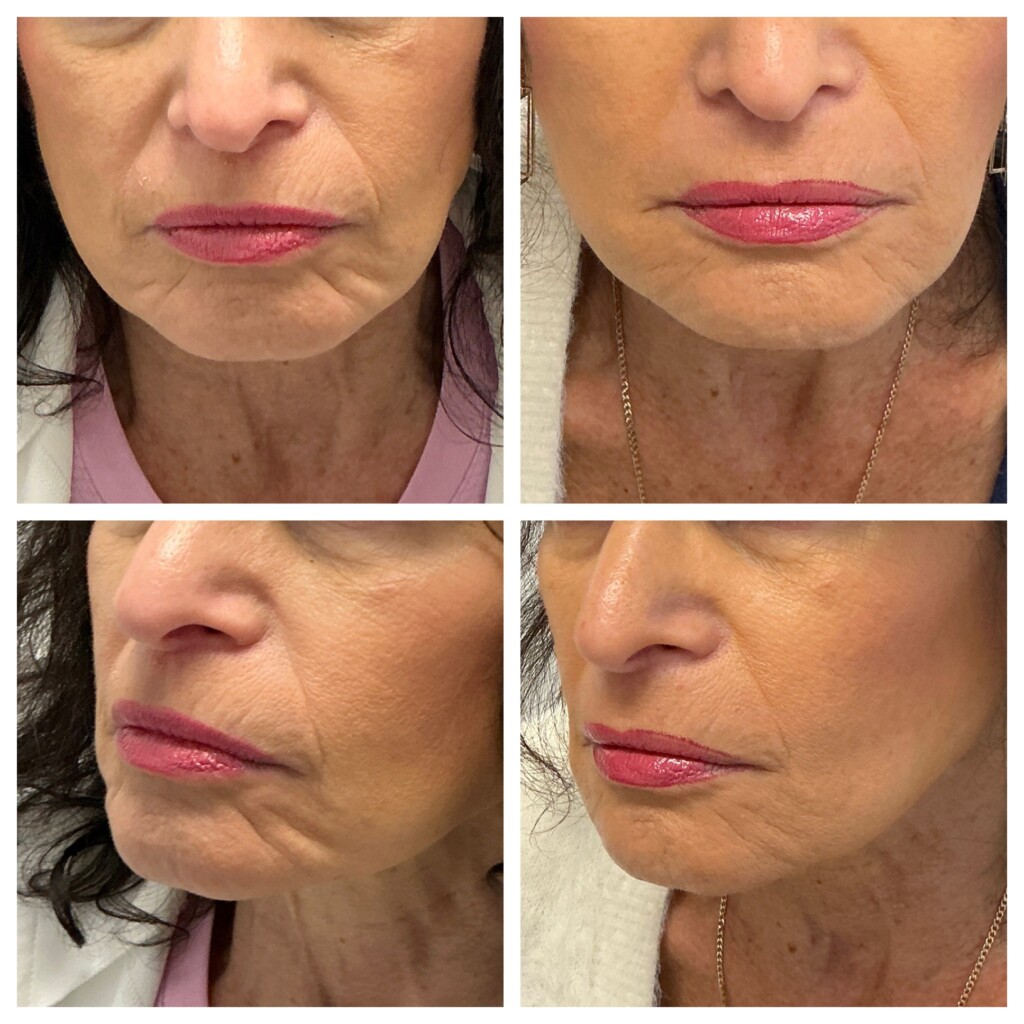
In other words, there is no standard formula. For one patient, facial balancing may mean a small amount of filler in the cheeks to restore support. For another, balancing the chin may have a greater impact on the overall profile than adding volume elsewhere. Someone else may only need subtle lip definition. The goal is to identify the areas where a small change can make the greatest difference while preserving the features that make you look like you.
Facial Filler
Cheeks and Midface
As we age, changes in volume and facial structure can make the midface appear flatter or contribute to shadows and folds lower on the face. Strategically placed cheek filler can restore subtle contour and support without creating an overly sculpted appearance.
The goal is not just bigger cheeks; it is about restoring proportion and support where it has been lost.
Under-Eye Hollows
The under-eye area is one of the most common concerns we hear about because hollowing and shadows can make someone look tired even when they are well-rested.
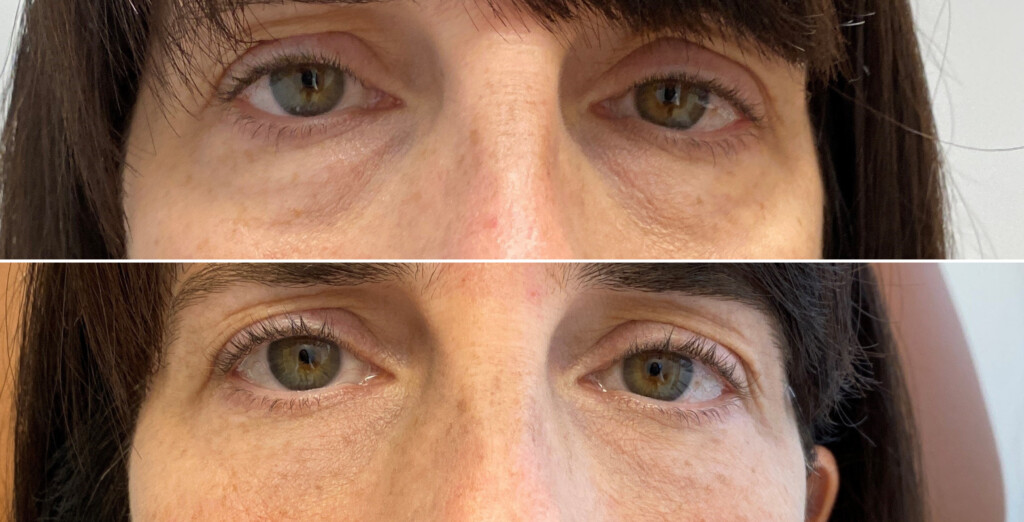
Filler can sometimes soften an under-eye hollow, but this area requires careful assessment.
The cheeks and under-eyes are closely connected, so we look at the entire midface before deciding where filler should be placed. In some patients, improving cheek support first can help create a smoother transition into the under-eye area.
Not everyone is an ideal candidate for under-eye filler, either. Puffiness, skin laxity, anatomy, and other factors can influence whether filler is appropriate.
This is why consultation and injector experience are particularly important in this area.
Lip Filler
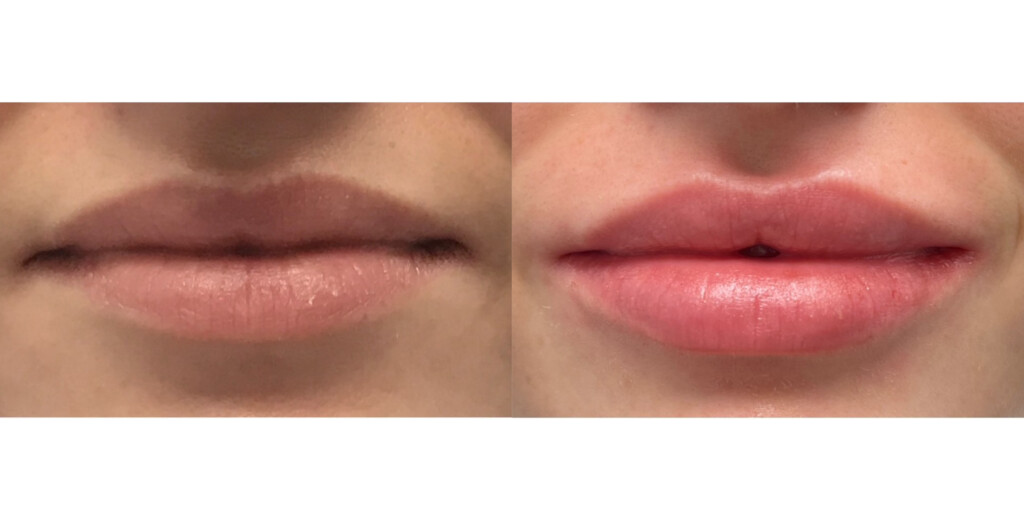
Lip filler isn’t justa bout making lips bigger. It can be used to restore volume that has been lost over time, improve definition along the lip border, refine shape, balance the upper and lower lip, or subtly improve overall proportion.
For patients who already have naturally full lips, the goal can be refinement rather than additional volume. Subtle adjustments can often make the biggest difference, without losing the unique character of the lips.
When we do lip filler, we take into account the proportion of the entire face. The lips should feel proportionate to the chin, nose, and surrounding features rather than looking like an isolated treatment.
Chin and Profile Balancing
The chin plays a larger role in facial balance than many people realize.
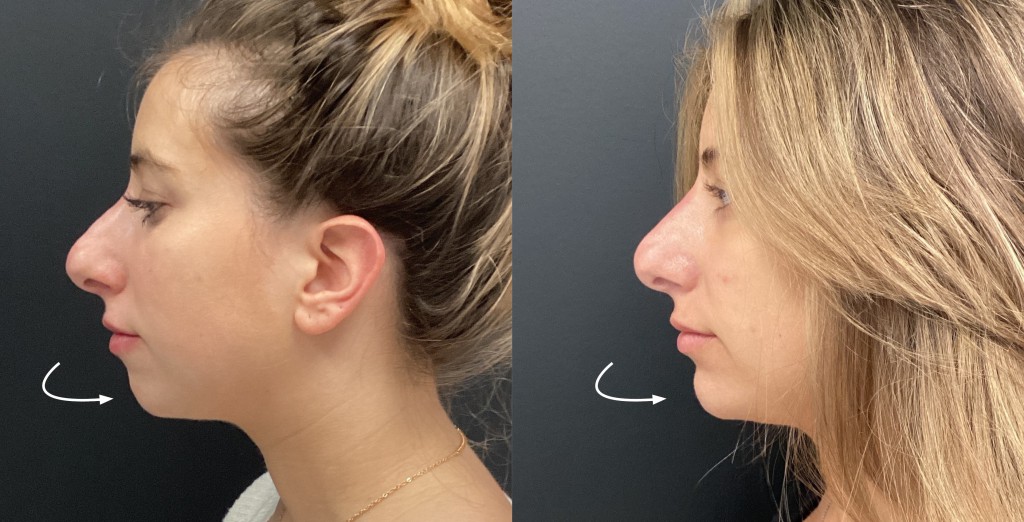
When we look at someone from the side, the relationship between the forehead, nose, lips, and chin helps create the overall profile. If the chin is recessed or lacks projection, other features may appear more prominent by comparison.
Carefully placed chin filler can sometimes improve projection, shape, and proportion without surgery.
Treating the chin can make the entire profile feel more balanced even though very little has changed elsewhere.
Nonsurgical Rhinoplasty
Filler can also be used in select patients to refine the appearance of the nose without surgery.
Strategic placement may help smooth the appearance of certain irregularities, improve symmetry, or create a more balanced profile.
It is important to understand that adding filler to the nose does not physically make the nose smaller. Instead, carefully placed filler can sometimes create the visual appearance of a straighter or more proportionate shape.

Lower Face, Folds, and Areas of Volume Loss
Filler may also be used to soften certain folds and restore support in the lower face.
But this is another area where simply “filling the line” is not always the answer.
We look at what is actually contributing to the concern. Is there volume loss higher in the face? Has support changed around the mouth? Is skin laxity contributing? Would filler improve the area, or would another treatment make more sense?
Sometimes filler is appropriate. Sometimes a combination of treatments produces a more natural result. And sometimes we may recommend leaving a particular line alone.
Our goal is not to remove every shadow or crease from the face. Natural faces move, and natural faces have lines.
Why Small Amounts in the Right Places Can Matter More
One of the biggest misconceptions about filler is that achieving a noticeable improvement requires a large amount of product in one area.
Using smaller amounts strategically across carefully selected areas can sometimes create a more cohesive result than heavily treating one feature.
For example, subtle cheek support combined with a small amount of chin filler may create better facial balance than placing significantly more filler into either area alone.
The best treatment plan may involve one area, several areas treated gradually, or no filler at all in a particular concern.
Filler Is Only One Part of Facial Rejuvenation
Not everything we see when evaluating the face is caused by volume loss.
Fine lines, pigmentation, redness, skin texture, and laxity are different concerns and may respond better to treatments such as Botox, lasers, Micro RF, or Ultherapy.
Trying to correct skin laxity with too much filler, for example, can create heaviness instead of the lift a patient is looking for.
This is why we believe in a layered approach to cosmetic dermatology. Filler should be used for what filler does well. Other treatments can address the components that filler cannot.
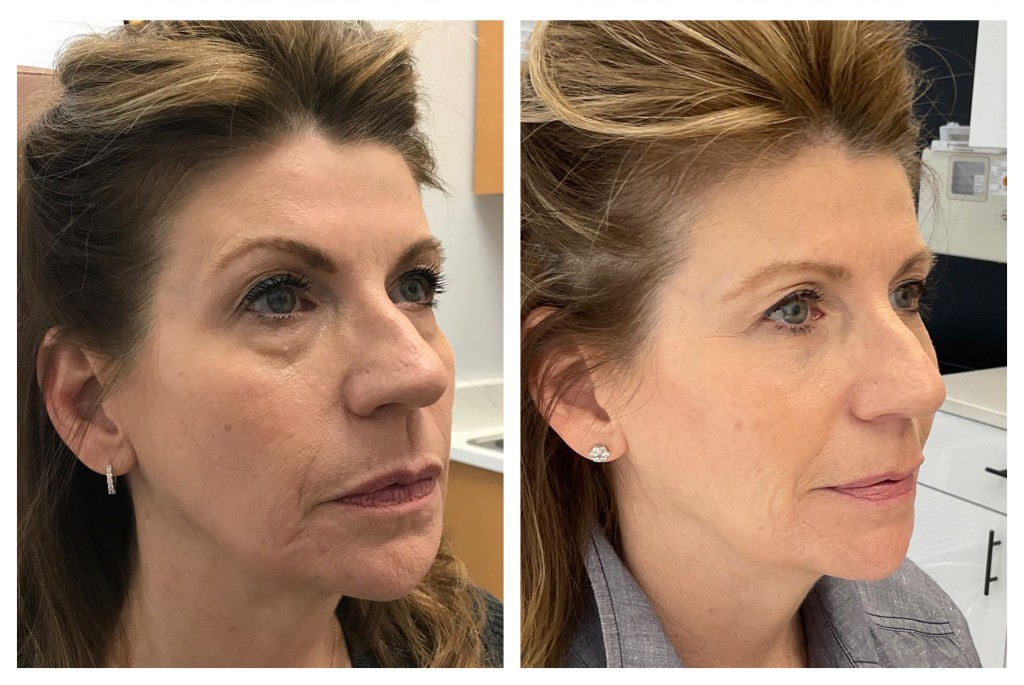
When each treatment has a specific purpose, the overall result tends to look much more natural.
Experience Matters in Facial Balancing
Facial balancing requires more than knowing how to inject filler.
It requires understanding anatomy, facial proportions, how different products behave, and how placement in one area can influence the appearance of another.
At Simply Dermatology, our Expert Injectors evaluate the entire face before developing an injectable treatment plan. This allows us to determine not only where filler may help, but also where filler should not be placed and when another treatment may provide a better result.
You can learn more about what the Expert Injector distinction means in our blog, What Is an Expert Injector?.
Facial Balancing Should Still Look Like You
The purpose of facial balancing with filler is not to create a different face.
It is to work with the structure you already have.
For some patients, that may mean replacing subtle volume that has changed with age. For others, it may mean improving the relationship between two features. And for some, the best plan may be doing much less than they expected.
There is no ideal face or universal set of proportions we are trying to create.
The goal is balance that makes sense for you.
Natural-looking filler comes from choosing the right areas, the right amount of product, and the right injector—someone who understands how to enhance your features without taking away what makes them uniquely yours.
Next in Our Filler Series
Next, we are breaking down the different types of filler and explaining why we may choose one product over another depending on the treatment area and the result we are trying to achieve.
Until then, you can read:
How to Get Natural-Looking Filler
Facial Balancing with Filler at Simply Dermatology
Interested in finding out what filler could do for you? Schedule a cosmetic consultation with our team at Simply Dermatology in Melville, New York by calling 631-377-7241 or request an appointment online.
Other blogs you might like to check out:
A guide to injectables before the holidays are here and Overfilled vs. Undetectable Filler.
-Dr. Papantoniou