
Fraxel vs. CO2 Laser: Which Treatment Is Right for Your Skin?
When patients come in hoping to improve sun damage, uneven texture, fine lines, or acne scars, Fraxel and fractional CO2 laser resurfacing are often part of the conversation. And one question comes up again and again: Which laser is right for me?
The answer isn’t simply a matter of choosing the stronger treatment.
Fraxel and CO2 are both fractional resurfacing lasers, but they work at different depths and come with different recovery experiences. Fraxel may be a better fit if you’re looking for gradual improvement with less downtime, while CO2 may be more appropriate when deeper resurfacing is needed.
Learning about the differences between Fraxel and CO2 can help you understand your options, but the best choice depends on your skin, concerns, medical history, and goals.
Fall is a popular time to consider laser resurfacing, when reduced sun exposure can make treatment planning and aftercare easier. Our guide to laser treatments in the fall explains why timing matters; here, we’re comparing Fraxel and CO2.
How Fraxel and CO2 differ
Both Fraxel and fractional CO2 treat the skin in microscopic columns. This fractional approach leaves areas of surrounding skin untreated, helping support the healing process.
The primary difference is how each laser affects the skin.
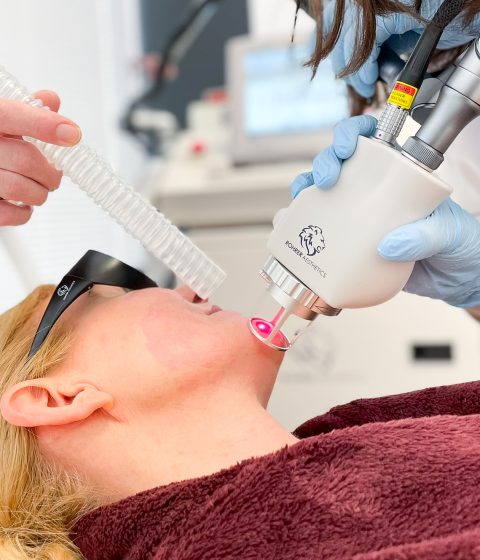
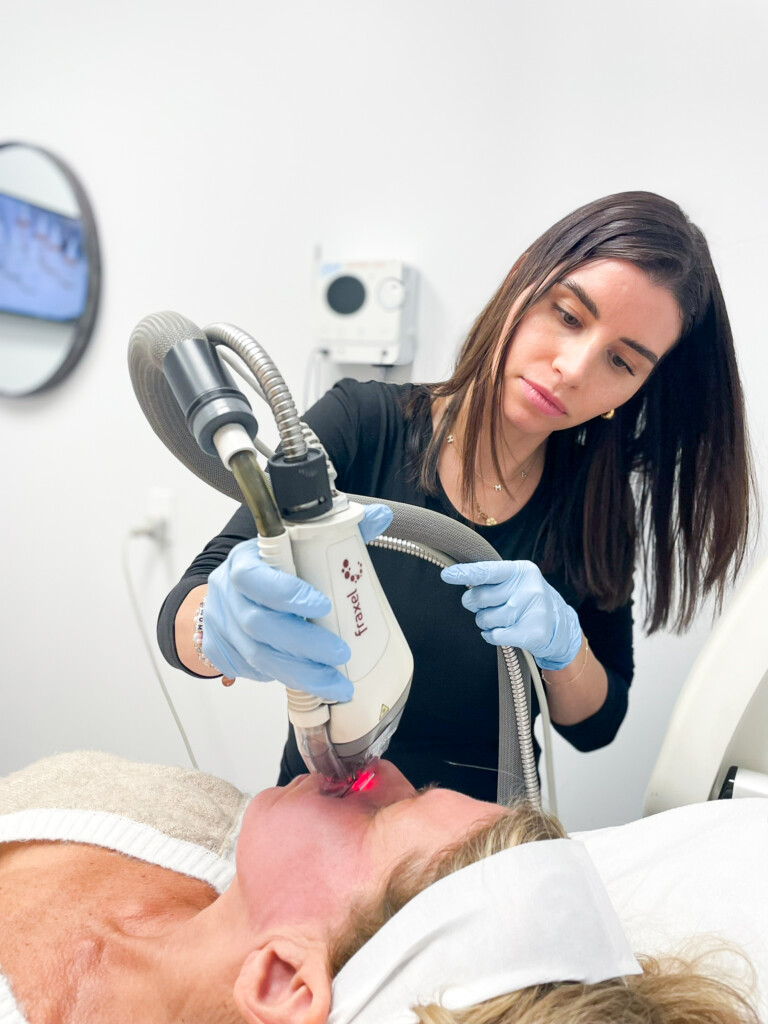
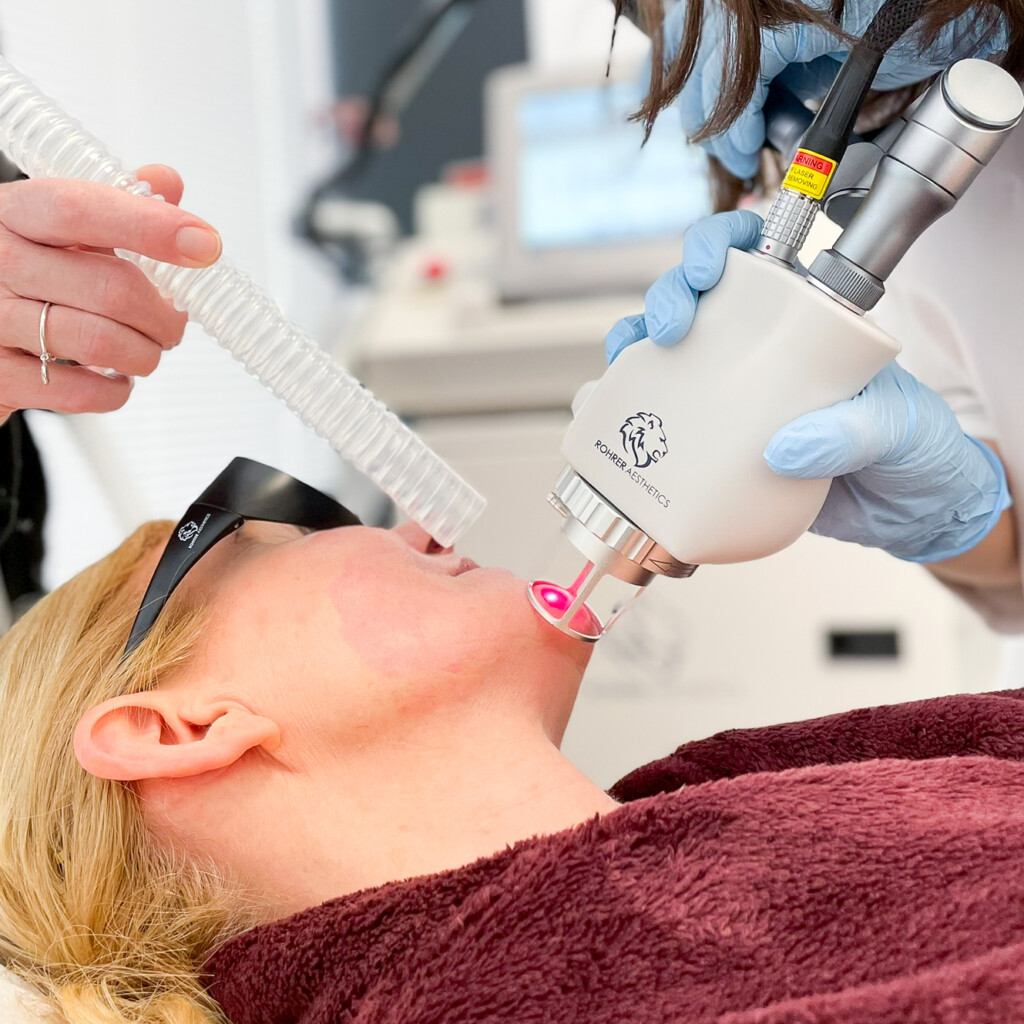
Fraxel Dual is a non-ablative fractional laser. It delivers controlled energy into the skin without removing the entire outer surface. It can address pigmentation, texture, fine lines, and certain scars while generally requiring less recovery than CO2.
Fractional CO2 is an ablative laser. It creates controlled microscopic injuries that remove portions of the skin’s surface while delivering heat more deeply. This allows for more intensive resurfacing, but it also requires a greater commitment to healing and aftercare.
Both treatments can be adjusted. The settings, number of passes, treatment area, and condition of the skin all influence the experience and results. Fraxel is not always “light,” and CO2 is not performed at the same intensity for every patient.
What is Fraxel Dual?
Fraxel Dual uses two wavelengths, which lets us tailor the treatment to your specific skin concerns.
One wavelength works closer to the surface of the skin and is often used to address pigmentation, sun spots, and uneven skin tone. The other wavelength reaches deeper and may be recommended for texture, fine lines, acne scars, and certain surgical scars.
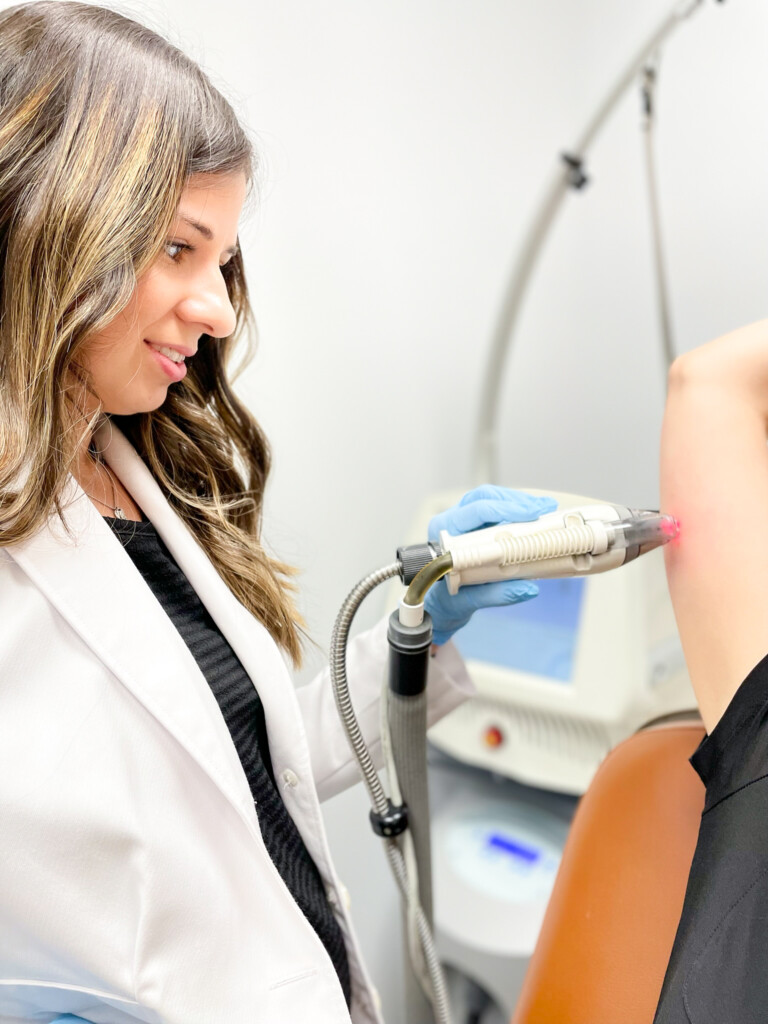
Depending on your treatment plan, Fraxel may help improve:
- Sun damage
- Brown spots
- Uneven pigmentation
- Rough or uneven texture
- Fine lines
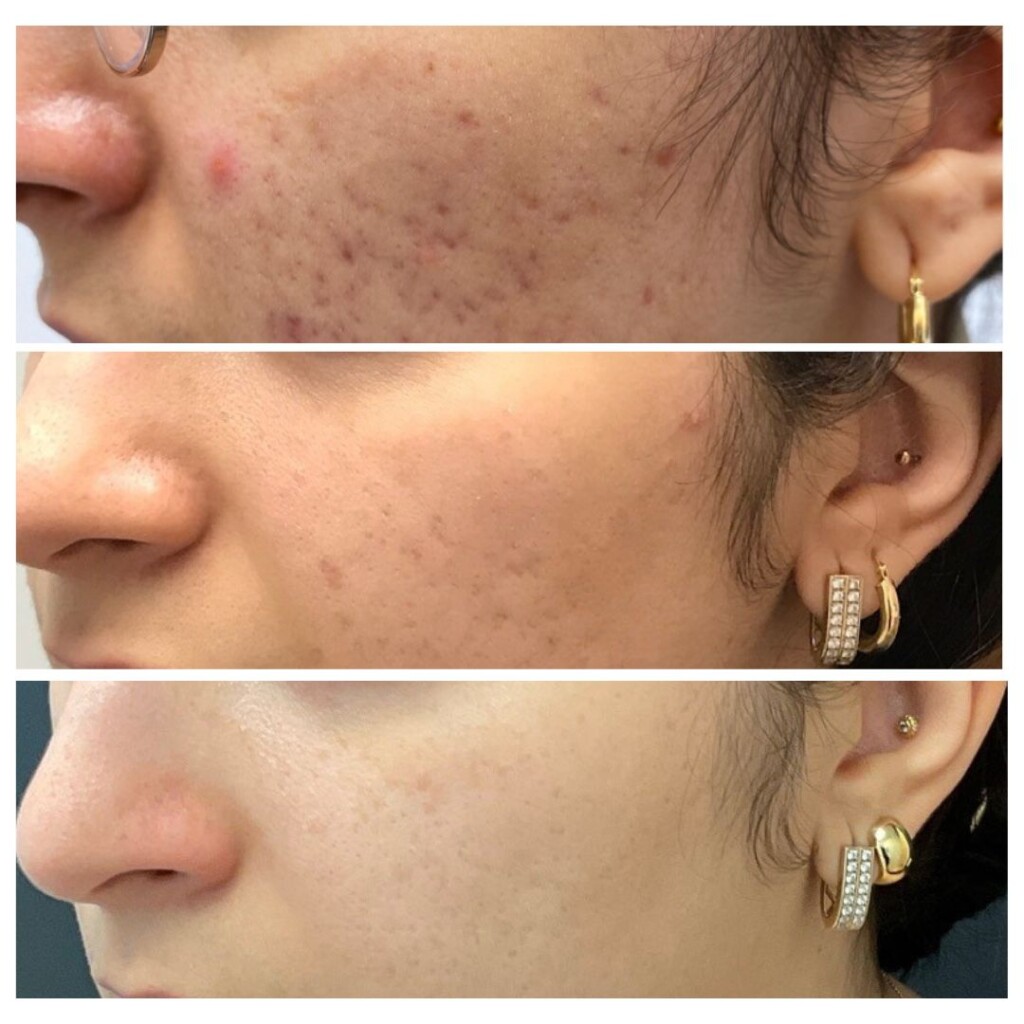
- Acne scars
- Certain surgical scars
- Overall skin clarity
Fraxel is a non-ablative treatment, meaning it does not remove the entire surface layer of the skin. Instead, it creates microscopic treatment zones that encourage the skin to renew itself from within. Even so, some recovery is expected. Your skin may look red or swollen and feel warm, dry, or tight. As it heals, you may also notice bronzing and flaking.
The exact timeline for visible recovery depends on the treatment settings, the area being treated, and how your skin heals. But you can usually expect an average of 5-7 days until all visible signs fade.
Fraxel is often performed as a series of treatments. This approach allows improvement to build gradually and can provide a more natural-looking result than trying to create the most dramatic change in a single session.
What is fractional CO2 laser resurfacing?
Fractional CO2 laser resurfacing is a deeper and more intensive form of laser resurfacing. It treats microscopic columns of skin while leaving surrounding areas available to assist with healing.
CO2 Laser treatment can improve:
- Rough, damaged skin
- Deeper lines and wrinkles
- More advanced sun damage
- Significant textural changes
- Acne scars
- Certain surgical or traumatic scars
Because CO2 treats both the surface and deeper layers of the skin, it can provide more noticeable resurfacing than a non-ablative laser. The tradeoff is a more involved recovery.
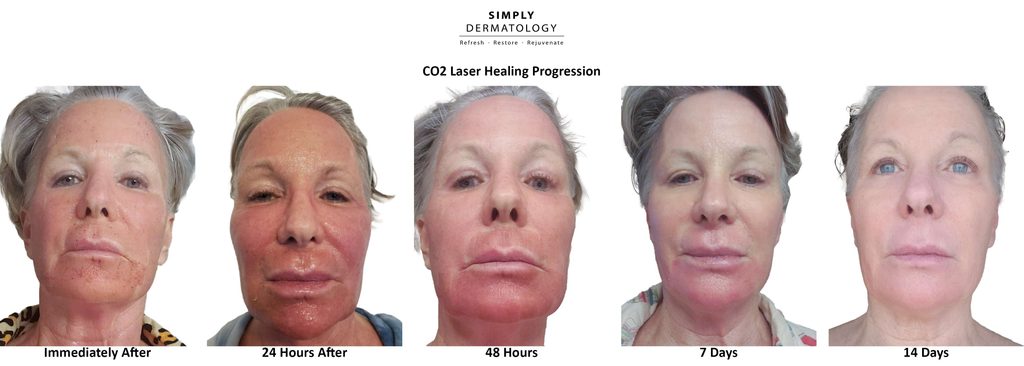
In the first few days, it is normal to have redness, swelling, peeling, crusting, and small areas of pinpoint bleeding or oozing. Following your aftercare instructions carefully, including gentle cleansing, moisturizing, and strict sun protection, helps support proper healing. Some pinkness may continue even after the initial peeling and crusting have improved.
Recovery varies from person to person. Treatment intensity, the area treated, and your individual healing response all play a role. That is why we discuss your expected downtime during your consultation rather than promising that everyone will be fully healed by a specific date.
Fraxel vs. CO2 laser: What are the main differences?
Fraxel generally offers moderate, progressive resurfacing with a more manageable recovery period. It is often chosen for pigmentation, sun damage, fine lines, texture, and certain scars.
Fractional CO2 provides deeper resurfacing. It may be considered for more advanced wrinkles, textural changes, or scarring when a patient is an appropriate candidate and can accommodate the recovery.
Another difference is how the treatments may be scheduled. Fraxel is commonly recommended as a series, especially when the goal is progressive improvement. CO2 may create a more substantial change from one session, although some patients may eventually benefit from additional treatment.
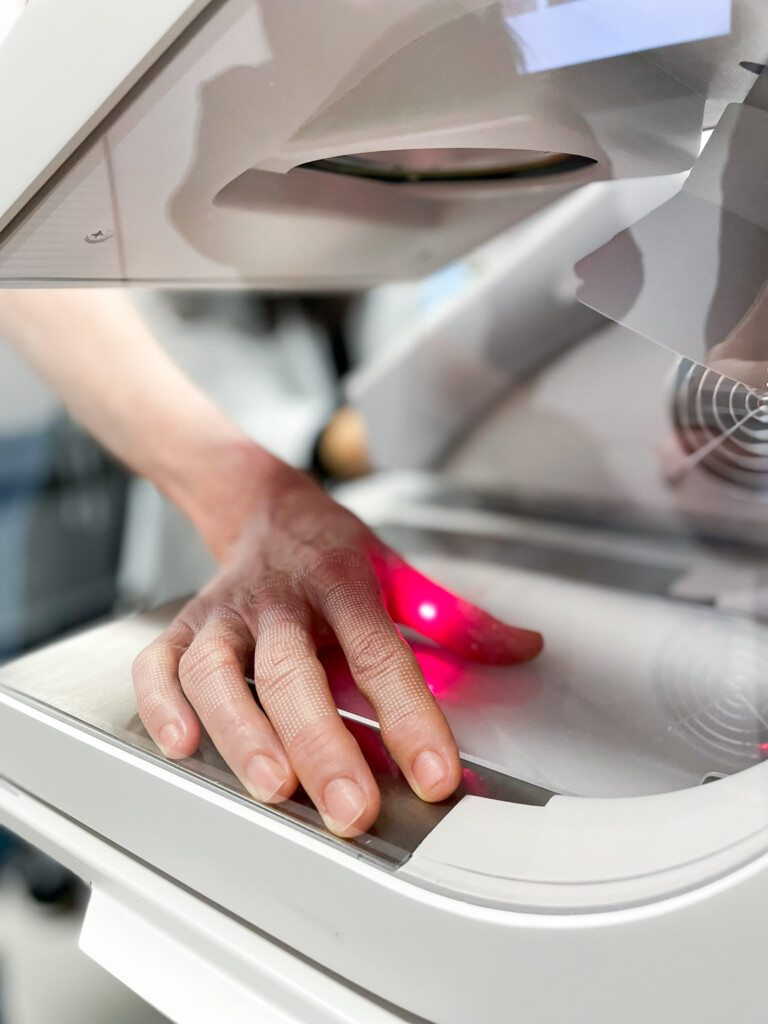
Neither option produces instant final results. The skin needs time to heal, renew, and produce collagen after both treatments.
Is CO2 better because it is stronger?
It’s easy to think that a stronger laser will always produce a better result, but that isn’t necessarily true. The most aggressive treatment is not always the right choice. A deeper procedure only makes sense when it matches the patient’s concerns and their skin can safely tolerate it.
Someone with early sun damage or mild texture changes may see meaningful improvement with Fraxel without taking on the longer recovery associated with CO2. Another patient with deeper wrinkles or more noticeable acne scars may benefit from the additional resurfacing CO2 can provide.
More treatment is not always better treatment. Our goal is to choose the least aggressive option that can still make a meaningful difference while balancing safety, downtime, and the result the patient hopes to achieve.
Who may be a good candidate for Fraxel?
Fraxel may be considered for patients who:
- Have sun spots or uneven pigmentation
- Want to improve mild-to-moderate texture concerns
- Have fine lines or certain acne scars
- Prefer progressive improvement
- Can accommodate several days of visible healing
- Are comfortable completing a series if recommended
- Do not need or are not candidates for deeper ablative resurfacing
This list is only a general guide. The type of pigmentation, depth of scarring, skin tone, treatment history, and recent sun exposure must all be evaluated before determining whether Fraxel is appropriate.
Who may be a good candidate for CO2?
Fractional CO2 may be considered for patients who:
- Have deeper lines or more advanced textural changes
- Have more significant acne scarring
- Want a more intensive resurfacing treatment
- Understand that recovery will be more involved
- Can carefully follow the required aftercare
- Have enough time to heal before an event
- Have a skin type and medical history appropriate for treatment
CO2 is not the right choice for everyone. A consultation is especially important because the depth of treatment must be selected carefully.
How much downtime should you expect?
Fraxel recovery often includes redness, swelling, dryness, bronzing, and a rough, sandpaper-like texture. As the skin renews, some flaking may occur. Most patients experience visible recovery for about five to seven days, although healing time can vary from person to person.
CO2 laser recovery is typically longer and more involved. During the early healing period, the skin may be swollen, red, peeling, crusted, or oozing. Careful wound care is important, and some pinkness may remain even after the skin has healed enough for many patients to return to their usual activities.
Downtime is not just about how long you need to stay home. It can also include the time your skin remains pink, dry, sensitive, or more susceptible to sun exposure. We help patients understand the full healing process so they can plan their treatment and recovery with confidence.

When will you see results?
Some improvement may become visible once the initial redness, swelling, and peeling resolve. However, the final result does not appear as soon as the skin looks healed.
Both treatments stimulate a remodeling process that continues over the following weeks and months. Fraxel results may become more noticeable across a series, while CO2 improvements continue developing as the skin heals and produces new collagen.
The longevity of the result also depends on continued sun protection, skincare, lifestyle, and the natural aging process. Laser resurfacing can improve existing damage, but it does not prevent future sun exposure or stop the skin from continuing to age.
Could a different treatment be more appropriate?
Fraxel and CO2 lasers are not the only ways to improve the skin, and neither treatment is designed to address every concern.
If redness or visible blood vessels are the main issue, VBeam may be a better fit. Certain brown spots may respond well to Q-Switch laser treatment, while IPL Photofacial may be considered for more widespread redness and discoloration. For patients looking for gentler resurfacing with less downtime, Clear + Brilliant may be an option.
Micro RF may be helpful when concerns such as uneven texture, acne scars, and loss of firmness overlap. If skin laxity is a separate concern, Ultherapy Prime may also be included in the treatment plan. These treatments work differently from resurfacing lasers, so the right approach depends on what each layer of the skin needs.
This is part of our layered approach to natural-looking cosmetic treatments. Instead of expecting one device to address pigmentation, texture, scars, redness, laxity, and volume loss all at once, we look at each concern individually and create a plan to treat them appropriately over time. Explore our complexion treatments for pigmentation, redness, texture, and acne scarring

How we choose between Fraxel and CO2
When deciding between Fraxel vs. CO2 laser resurfacing, the Simply Dermatology team considers:
- The specific concern being treated
- The depth and severity of the concern
- Skin tone and pigmentation history
- Previous procedures and response to treatment
- Medical history and current medications
- Recent sun exposure
- Desired degree of improvement
- Available recovery time
- Upcoming events
- Ability to complete the required aftercare
This physician-led evaluation allows us to select the treatment and settings according to the individual patient rather than using the same protocol for everyone.
Choosing the right laser for your skin
Choosing between Fraxel and CO2 is about more than deciding between a lighter or stronger laser. The right treatment depends on your skin, your goals, and how much downtime you are comfortable with.
Fraxel can gradually improve pigmentation, uneven texture, fine lines, and certain scars with a more manageable recovery. Fractional CO2 offers deeper resurfacing and may be a better option when more significant sun damage, skin changes, or scarring require a more intensive treatment.
At Simply Dermatology, we look at your skin as a whole before recommending either option. Our goal is not to choose the strongest treatment available, but to create a thoughtful plan that delivers balanced, natural-looking results.
Schedule a cosmetic consultation at our Melville office or call 631-377-7241.
Other blogs you might like to check out: Winter Laser Guide FAQ and Holiday Skin Prep Timeline
-Dr. Papantoniou