
Which Dermal Filler is Best?
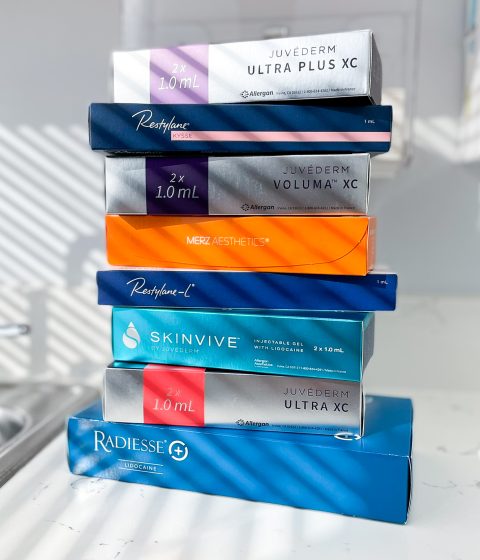
If you have ever looked into filler, you have probably realized pretty quickly that there are a lot of options. Different brands, different product names, different treatment areas—and plenty of opinions online about which one is “best.”
So, which dermal filler is actually the best?
The answer depends on you.
At Simply Dermatology, we don’t choose filler based on what product is currently trending or use the same filler in every area of the face. The right filler depends on your anatomy, the area being treated, how much support or movement is needed, and what we are ultimately trying to accomplish.
In the first two parts of our August filler series, we talked about how to get natural-looking filler and how facial balancing with filler works. The next step is understanding why the actual product we choose matters.
Filler is Not Just Filler
It is easy to think of filler as one product that can simply be placed wherever volume is needed. In reality, different dermal fillers are formulated to behave differently.
Some provide more structure and support, while others are softer or more flexible. Depending on the product, treatment area, and goal, filler can be used to add or restore volume, improve certain facial folds, enhance the lips, or provide support in areas such as the cheeks and chin. FDA-approved fillers also have specific indications for where and how they are intended to be used.
That is why asking which dermal filler is best is a little like asking which skincare product is best. There is not one answer that works for everyone—or for every area of the face.
Hyaluronic Acid Fillers
Many of the fillers we use are made with hyaluronic acid, or HA, a substance that is naturally present in tissues throughout the body, including the skin. Hyaluronic acid filler is formulated as a gel that adds volume where it is injected.
But even within the category of hyaluronic acid fillers, products can be very different from one another.
This is where product selection becomes important. A filler chosen to provide support in the cheek may have very different characteristics from one we would select for an area where softness and natural movement are especially important.
JUVÉDERM Is a Collection, Not Just One Filler
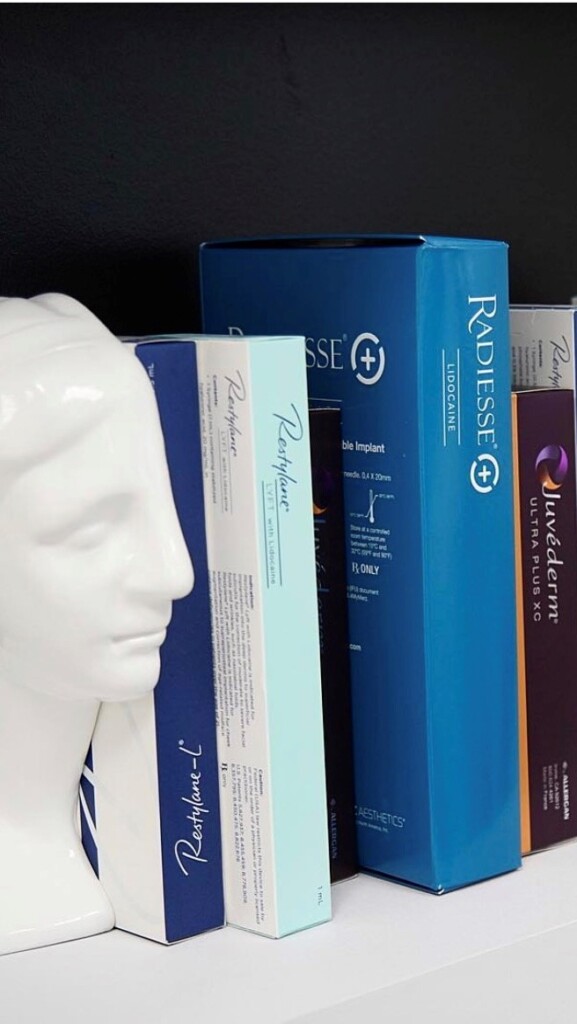
Patients often come into the office saying they are interested in JUVÉDERM, but JUVÉDERM is actually a collection of hyaluronic acid fillers designed for different treatment needs.
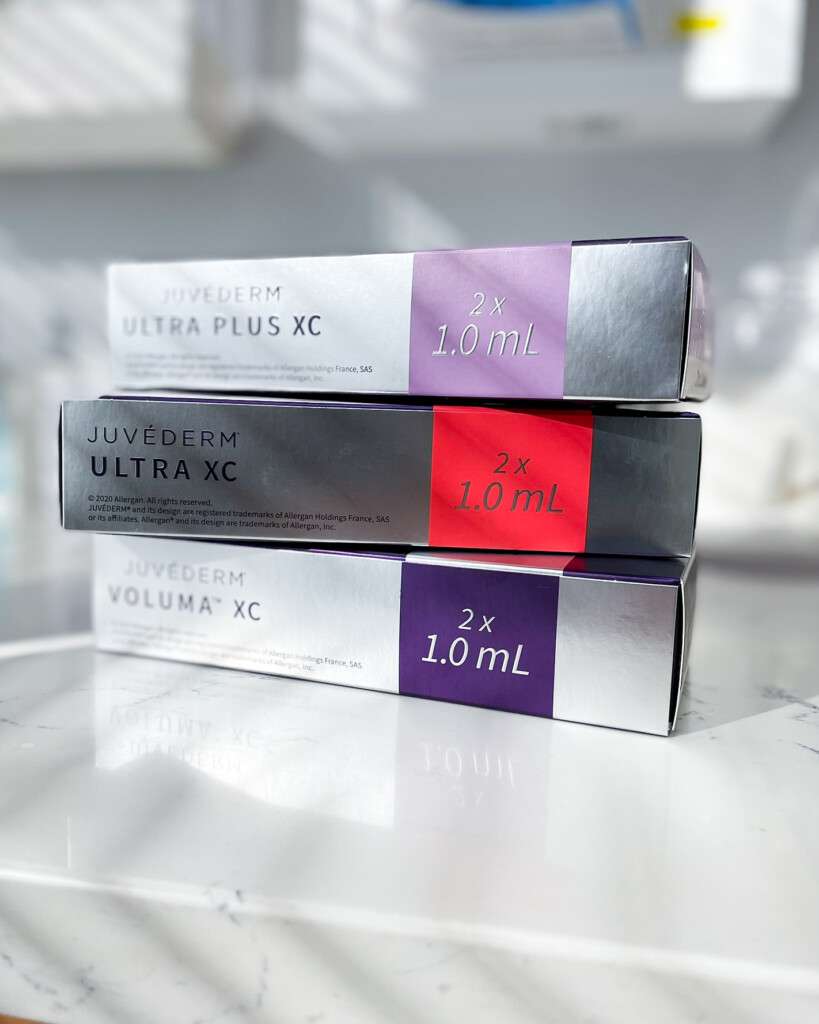
Depending on the specific product, FDA-approved uses within the JUVÉDERM collection include areas such as the cheeks, chin, temples, jawline, lips, under-eyes, and certain facial lines and folds.
For example, JUVÉDERM VOLUMA XC has approved uses that include age-related volume loss in the cheeks and augmentation of the chin, while JUVÉDERM Ultra XC can be used for lip augmentation as well as certain facial wrinkles and folds. Different products within the collection are intended for different purposes.
Rather than asking which filler is the best, the better question is: which product makes the most sense for what we are trying to accomplish?
It means looking at your facial structure, proportions, volume, and profile together before deciding where filler may actually be beneficial.
There is no standard formula for deciding which filler is the best option. For one patient, facial balancing may mean a small amount of filler in the cheeks to restore support. For another, balancing the chin may have a greater impact on the overall profile than adding volume elsewhere. Someone else may only need subtle lip definition. The goal is to identify the areas where a small change can make the greatest difference while preserving the features that make you look like you.
How Do We Choose Filler for Different Areas?
Where filler is being placed is one of the biggest factors in product selection.
Cheeks
When treating the cheeks, we are aiming to restore age-related volume loss, improve contour, or provide support to the midface.
The goal is not to create larger or dramatically sculpted cheeks. Often, we are trying to restore subtle structure in a way that complements the rest of the face.
Because the cheeks can play an important supporting role in facial balance, we choose the product and placement based on the patient’s existing anatomy and the degree of correction needed.
Lips
Lip filler requires a very different approach.
Some patients want to restore volume that has gradually diminished. Others are looking for more definition, improved symmetry, or a subtle enhancement of their natural lip shape.
Movement really matters here. The lips are constantly moving when we speak, smile, and eat, so the product, amount, and placement all have to work with that movement.
This is also why two patients asking for “lip filler” may receive completely different treatment plans.
Under-Eyes
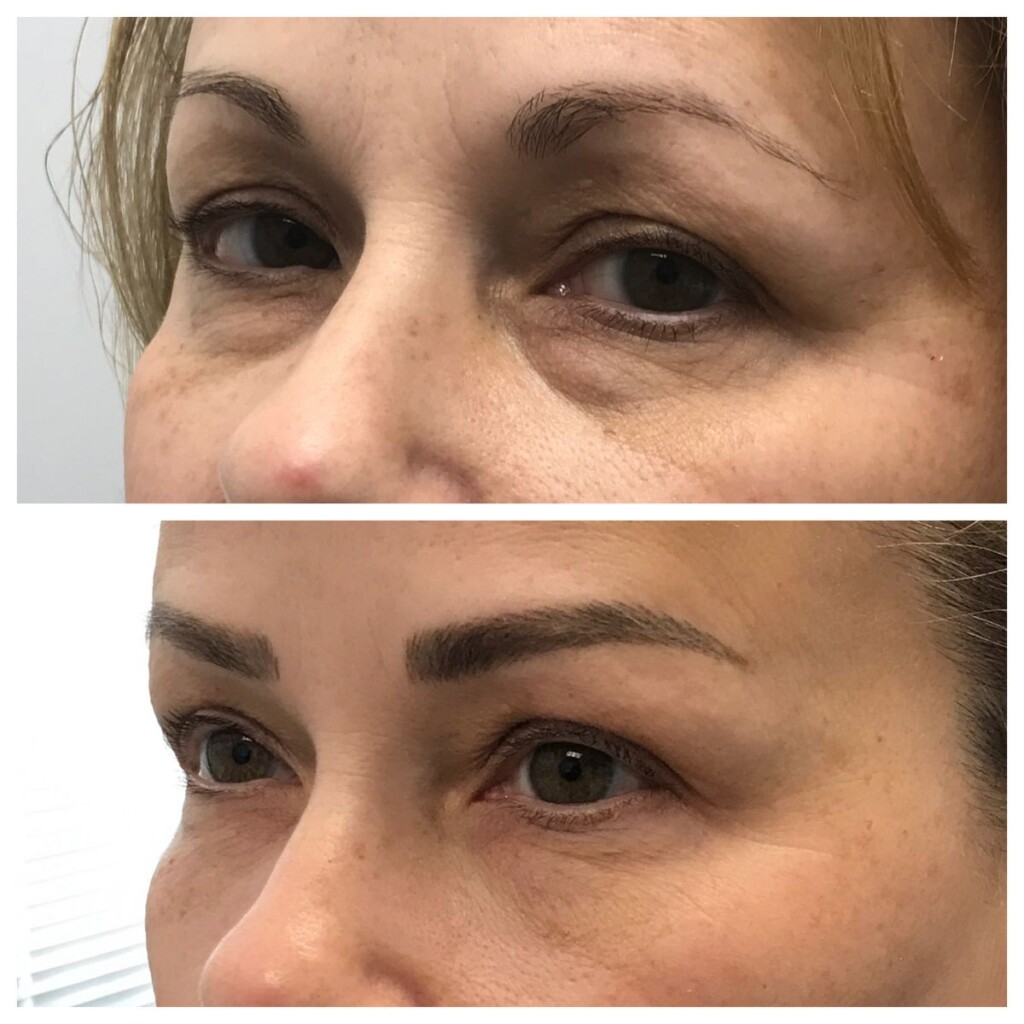
The under-eye area requires particularly careful patient and product selection.
Not every hollow under the eyes should automatically be treated with filler, and not every patient is an appropriate candidate. We look at the relationship between the under-eye and cheek, the patient’s anatomy, skin quality, and whether puffiness or laxity is contributing to the concern.
There are fillers with FDA-approved indications for improving under-eye hollowing, but determining whether filler is appropriate still requires an individual assessment.
Chin and Jawline
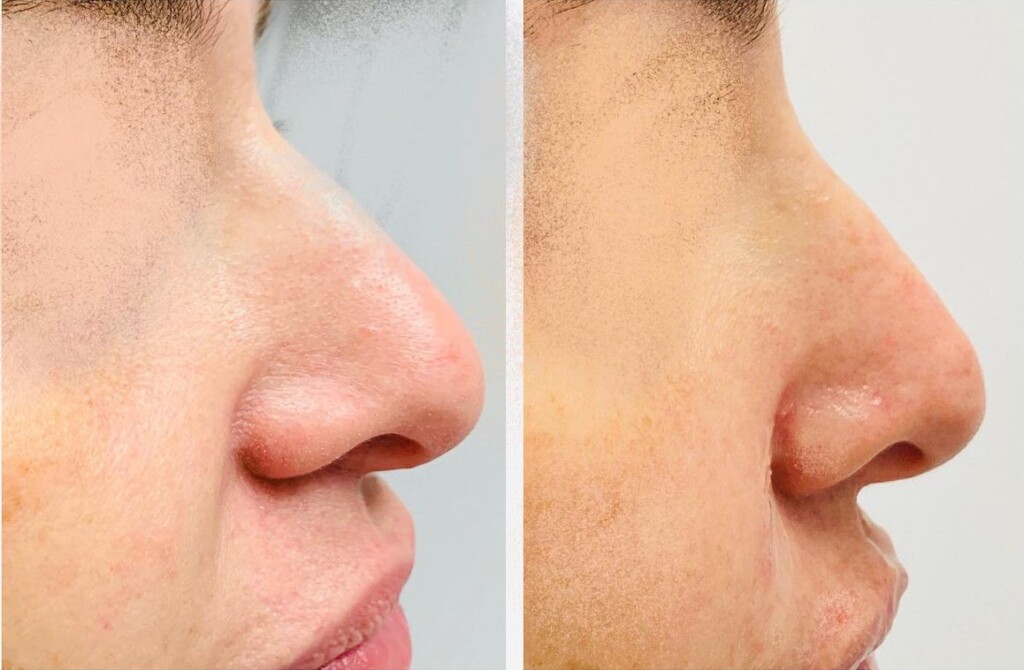
When treating the chin or jawline, we may be looking for more structural support, improved projection, or better proportion within the overall profile.
Small changes to the chin can sometimes make a significant difference in how the nose, lips, and lower face relate to one another.
Again, this is where facial balancing becomes important. We are not looking at the chin or jawline as an isolated feature. We are looking at how it fits with everything around it.
Facial Lines and Folds
Some fillers are also approved for moderate to severe facial wrinkles and folds, such as nasolabial folds.
But that does not mean our first instinct is always to inject directly into a fold.
As we discussed in our facial balancing blog, sometimes a change somewhere else in the face is contributing to the concern. We want to understand why the fold has become more noticeable before deciding how to treat it.
Why An Expert Injector Matters
Patients sometimes spend a lot of time researching which dermal filler is best and arrive at their consultation already convinced that they need a certain product or a certain number of syringes. Researching your options is always a great idea; however, as we’ve said, the product is only one piece of the treatment plan.
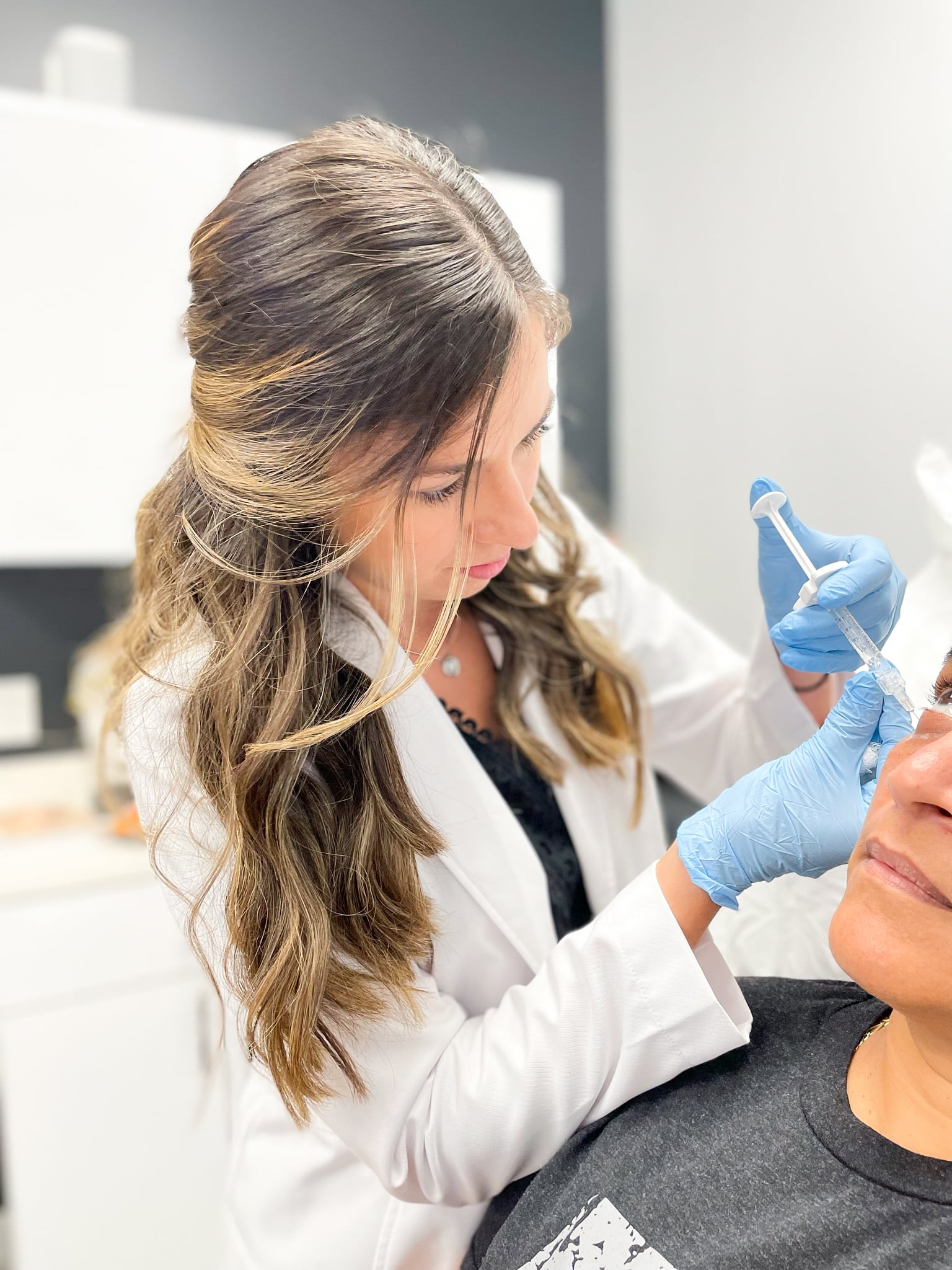
The injector has to consider the product, amount, placement, depth, anatomy, facial proportions, movement, and overall treatment plan. Just as importantly, we need to recognize when filler is not the right treatment for what a patient wants to improve.
At Simply Dermatology, our Expert Injectors look at the entire face before making those decisions. You can read more about what being an Expert Injector means here.
Sometimes More Than One Filler Makes Sense
If we are treating more than one area of the face, we may not necessarily use the same filler everywhere.
The qualities we are looking for in a product used for cheek support may be different from what we want when treating the lips or another highly mobile area.
This is another reason we do not believe in a standard “filler package” for every patient. Your treatment plan should reflect your face.

Sometimes that means one product in one carefully selected area, or it means different products used strategically in different places, or it can even mean treating gradually over time.
Don’t Choose Your Filler Based on a Trend
Social media has made it easier than ever to learn about cosmetic treatments, but it has also made it easy to become attached to a particular product, technique, or look before knowing whether it actually makes sense for your face.
Bring us your inspiration. Tell us what you like. Tell us what you do not like. Most importantly, tell us what you would like to improve. And our Expert Injectors will guide you closer to your goal while keeping the result balanced and natural.
So, Which Dermal Filler Is Best?
The best filler is not the newest one, the most talked-about one, or the one your friend had. The best filler is the one that is appropriate for your anatomy, your treatment area, and your goals.
Natural-looking results come from putting the right product in the right place, in the right amount—and knowing when filler is not needed at all.
That is why the consultation matters, and why choosing the right injector matters just as much as choosing the right filler.
Continue Our August Filler Series
If you missed the first two parts of the series, you can read:
How to Get Natural-Looking Filler
Next, we’ll walk you through what to expect before, during, and after a filler appointment—including how to prepare, what the treatment itself is like, and what happens while your results settle.
If you are considering filler and want to find out which option may be right for you, schedule a cosmetic consultation with our team at Simply Dermatology in Melville, New York by calling 631-377-7241.
Other blogs you might like to check out:
Filler FAQ and The Art of the Layered Approach to Skin Treatments
-Dr. Papantoniou