

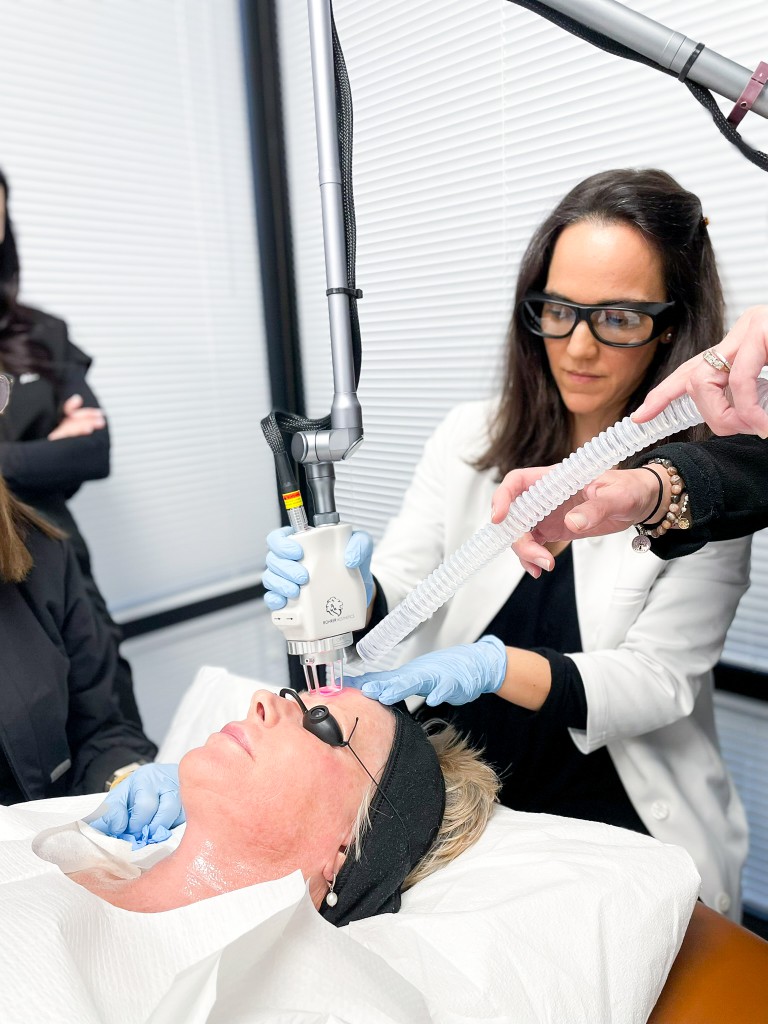
Winter Weather and Laser Treatments
Did you know that winter is the best time to start a series of laser treatments? With less sun exposure, more predictable healing, and the ability to plan around downtime, the colder months create an ideal set of conditions for meaningful skin correction and improvement.
That said, not all lasers do the same thing. Choosing the right laser depends on your skin concerns, goals, and timeline, and not on which treatment sounds the most aggressive. This blog breaks down the laser treatments offered at Simply Dermatology and explains what each one is designed to treat.
Why Winter is the Ideal Season for Laser Treatments
Laser treatments work by targeting specific concerns in the skin, whether that’s pigment, redness, texture, or collagen loss. During the winter months:
- Reduced UV exposure lowers the risk of post-treatment pigmentation
- Cooler temperatures make downtime easier to manage
- Skin tends to heal more consistently
- Collagen remodeling can take place over several months, allowing results to develop naturally
Starting in winter allows treatments to do their work gradually, often with results continuing to improve into spring.
Start With the Skin Goal, Not the Laser
Before choosing a laser, it’s important to identify what you’re trying to correct. Different lasers address different concerns, such as:
- Uneven tone or sun damage
- Redness or visible vessels
- Rough texture or acne scarring
- Fine lines and loss of firmness
The most effective treatment plan focuses on matching the laser to the concern, rather than selecting the strongest option by default.
Laser Treatments at Simply Dermatology
Fraxel Laser
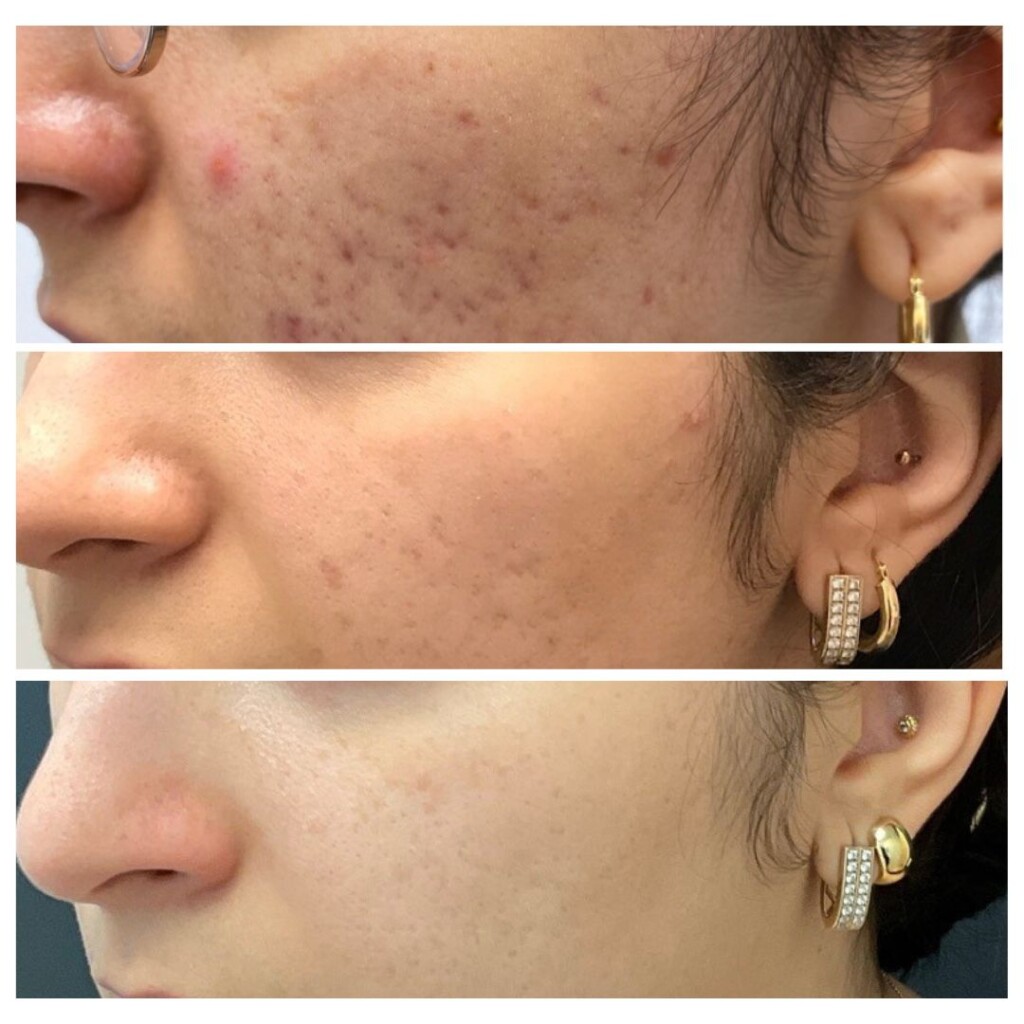
Fraxel is a fractional laser that improves skin texture, fine lines, sun damage, and acne scarring while stimulating collagen renewal. It can be performed as a single treatment or as a series, depending on the level of correction needed. Some downtime is expected, making winter an ideal time to schedule it.
CO2 Laser
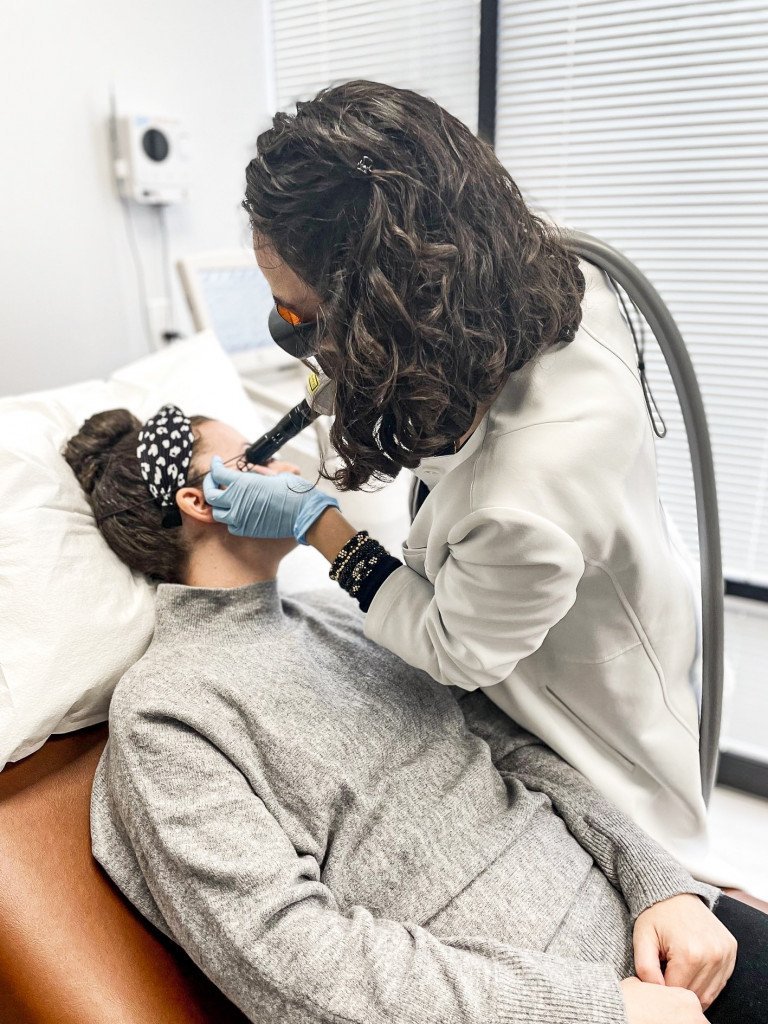
The CO2 laser is a deeper resurfacing treatment designed to address etched lines, significant texture concerns, and advanced sun damage. It involves more downtime than other lasers and requires careful planning, which is why winter is the preferred season. This option is best for patients seeking more dramatic correction.
Q-Switch Laser
Q-Switch targets pigment concerns such as sun spots and discoloration. It offers minimal downtime and is often performed as a series for optimal results. This laser is well suited for patients focused on improving overall tone.
IPL Photofacial
IPL treats brown spots, sun damage, and redness to create a more even complexion. A series of treatments is typically recommended, and winter timing helps minimize sun-related complications.
VBeam
Vbeam is designed specifically for redness, rosacea, and visible blood vessels. It is a gentle vascular laser with minimal downtime and is safe to perform throughout the winter months.
Microneedling with Radio Frequency (RF)
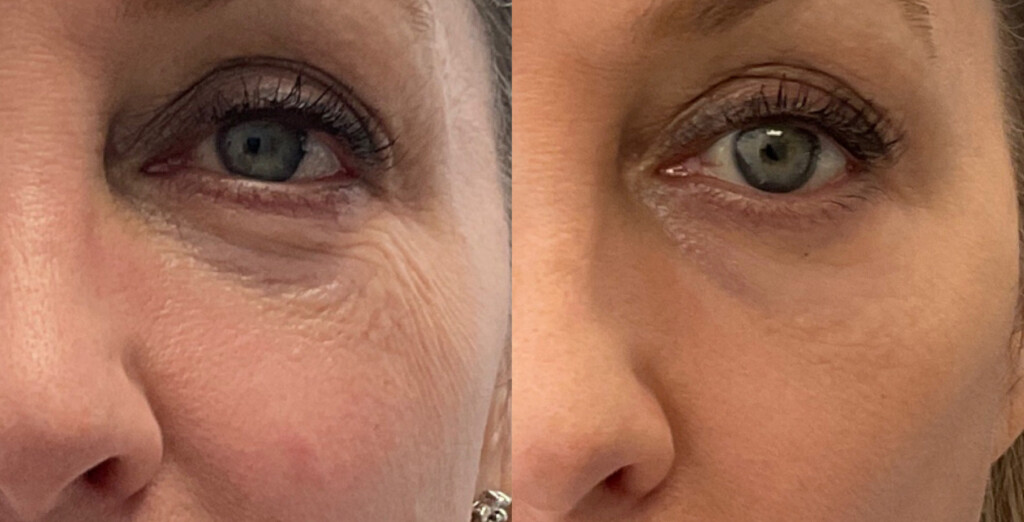
Microneedling RF combines controlled energy with microneedling to stimulate collagen production. It improves skin firmness, texture, fine lines, and acne scarring. This treatment is typically done as a series and fits well into a winter treatment plan.
What to Know About Laser Treatments
When Laser Treatments May Not Be the Right Choice
Laser treatments are not appropriate for everyone at every moment. They may be postponed if there is active skin infection, recent tanning, significant irritation, or an active sensitivity flare. A consultation ensures that treatments are scheduled safely and appropriately.
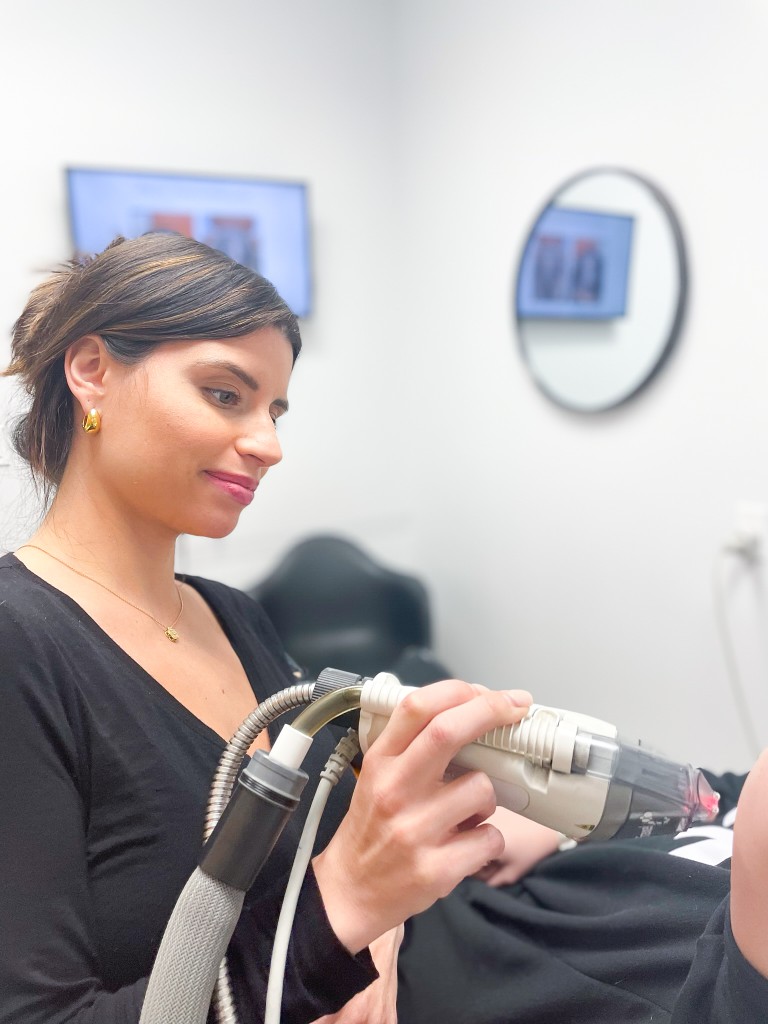
How Lasers Fit Into a Layered Treatment Plan
Lasers often form the foundation of long-term skin improvement. They are commonly combined with injectables, medical-grade facials, and supportive skincare to address multiple concerns in a balanced way. Proper spacing between treatments allows each step to work effectively without overwhelming the skin.
What to Expect During a Consultation
A laser consultation includes a thorough skin evaluation, discussion of goals, review of downtime and recovery expectations, and creation of a personalized treatment plan. This ensures the chosen laser aligns with your skin type, concerns, and lifestyle.
Post-Laser Care and Maintenance
After laser treatment, gentle skincare and sun protection are essential—even in winter. Hydrating treatments such as Hydrafacial, Salt Facial, and LED therapy can support healing and maintain results. A consistent at-home routine helps protect the skin barrier while collagen remodeling continues.
Making the Right Laser Choice
Laser treatments are most effective when they are chosen thoughtfully and timed correctly. Winter offers the opportunity to address concerns safely, allow skin to heal properly, and build long-lasting results that continue to improve over time.
To schedule a laser consultation, call 631-377-7241.
Other blogs you might like to check out: Sensitive Skin Season: How to Calm, Repair, and Prevent Winter Flare-Ups and The Art of the Layered Approach to Cosmetic Dermatology.
-Dr. Papantoniou